Visual Storytelling in Motion: Integrating Abstract Person As a Part of Word Dance into Modern Design
In the evolving landscape of digital aesthetics and brand identity, the boundary between typography and illustration is becoming increasingly porous. Designers, marketers, and creators are no longer satisfied with static logos or disjointed visual elements. Instead, there is a growing demand for cohesive narratives where text and image interact dynamically. This shift has brought concepts like Abstract Person As a Part of Word Dance to the forefront of contemporary graphic design. This artistic approach does more than decorate; it communicates movement, energy, and human connection through the seamless integration of figurative abstraction and linguistic form.
For professionals ranging from freelance illustrators to corporate branding specialists, understanding this trend is essential. It represents a broader move toward kinetic typography and expressive minimalism, where the meaning of a word is enhanced by the shape of the human form. Whether utilized in high-resolution print media or scalable vector graphics for web interfaces, this style offers a versatile toolkit for modern visual communication.
The Intersection of Typography and Human Form
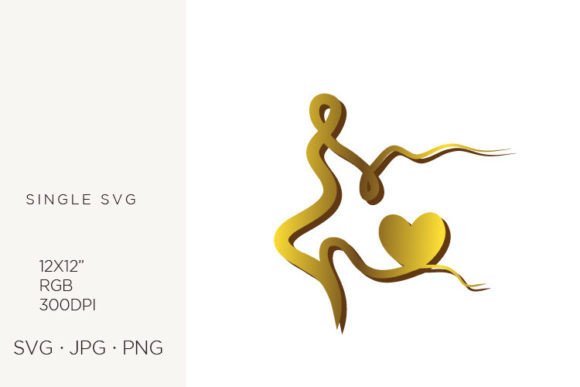
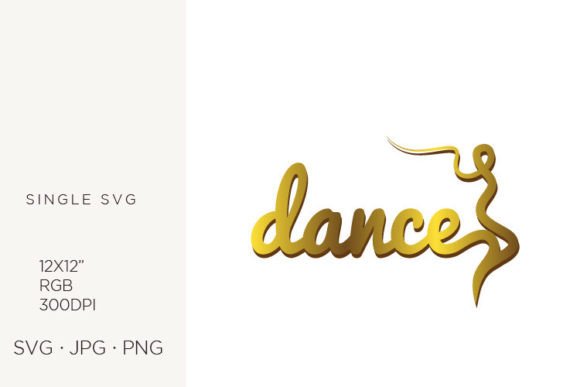
At its core, Abstract Person As a Part of Word Dance is a design methodology that merges the structural integrity of letters with the fluidity of human motion. Rather than treating text and imagery as separate layers, this approach intertwines them. The human figure—often rendered in abstract, geometric, or fluid lines—becomes an intrinsic part of the lettering itself. A limb might extend to form the crossbar of an "H," while a curved spine might mimic the bowl of a "B." This synthesis creates a visual rhythm, hence the term "dance," suggesting that the text is alive and moving.
This technique resonates deeply with current consumer preferences for authenticity and dynamism. In a digital ecosystem saturated with generic stock imagery, brands and creators are seeking unique visual languages that convey personality. By using abstract human forms within typography, designers can evoke emotions such as joy, collaboration, freedom, or elegance without relying on literal representations. The abstraction allows viewers to project their own interpretations onto the work, creating a more engaging and interactive experience.
Why This Trend Is Gaining Momentum
The rising popularity of this aesthetic is not accidental. It aligns with several key shifts in the creative industry and consumer behavior:
- Demand for Unique Brand Identity: Businesses are moving away from cookie-cutter templates. Custom SVG artwork that integrates human elements into text offers a distinctive mark that is difficult to replicate.
- The Rise of Kinetic Digital Media: With the dominance of social media platforms that favor short-form video and animated content, static designs need to imply motion. Abstract figures intertwined with words naturally suggest movement, making them ideal for transitions into animation.
- Holistic Design Workflows: Creators are looking for assets that are versatile across multiple mediums. A single well-crafted vector file can serve as a logo, a wall art piece, or a web banner, reducing the need for multiple design iterations.
Furthermore, the technical accessibility of high-quality vector files has democratized this style. When artists provide assets in formats like SVG, PNG, and JPG at high resolutions (such as 300 DPI), they empower users to scale and manipulate these designs without losing quality. This flexibility is crucial for professionals who need to adapt a single concept for everything from a business card to a large-format party decor installation.
Practical Applications Across Industries
The versatility of Abstract Person As a Part of Word Dance makes it applicable across a wide spectrum of industries. Its ability to convey complex ideas through simple, elegant forms allows it to bridge the gap between corporate professionalism and creative flair.
Branding and Corporate Identity
For startups and established enterprises alike, logo design is the cornerstone of brand recognition. Using abstract human figures within typography can signal values such as teamwork, innovation, and customer-centricity. For instance, a consultancy firm might use a design where two abstract figures form the letters of their name, subtly communicating partnership and support. Because these files are often created in vector programs like Adobe Illustrator, they remain crisp and professional whether printed on a letterhead or displayed on a mobile app icon.
Event Marketing and Stationery
In the realm of events, the emotional tone is paramount. Invitations, announcements, and party decor benefit immensely from designs that feel celebratory and lively. The "dance" aspect of this art style lends itself perfectly to weddings, galas, and corporate retreats. Designers can utilize the included JPG and PNG files to create layered invitations where the abstract figures appear to leap off the page. The transparent background options in PNG files allow for seamless integration over textured papers or vibrant color palettes, enhancing the tactile quality of physical stationery.
Digital Content and Web Design
Web designers face the constant challenge of balancing aesthetic appeal with load times and responsiveness. SVG files are invaluable here. An Abstract Person As a Part of Word Dance SVG can be embedded directly into HTML code, allowing for CSS styling and interactivity. Imagine a landing page where the hero image features this artwork, and upon hovering, the abstract figures subtly shift or change color. This level of interactivity enhances user engagement without compromising site performance. Additionally, the RGB color palette ensures that the colors appear vibrant and accurate on screens, maintaining the integrity of the original artistic vision.
Technical Considerations for Creators
While the artistic merit of this style is significant, its practical value lies in its technical execution. Professionals who incorporate these elements into their workflows must understand the importance of file formats and resolution.
Vector Scalability: The inclusion of an SVG file is critical. Unlike raster images, vectors are mathematically defined paths, meaning they can be scaled infinitely without pixelation. This is essential for large-format prints, such as wall art or banners, where a 12x12 inch design might need to be expanded significantly. The fact that these files are made in Adobe Illustrator ensures that the curves and lines are smooth and precise.
Resolution and Color Profiles: For print applications, the 300 DPI JPG and PNG files are indispensable. The 300 DPI standard ensures that when the design is printed on paper, fabric, or other materials, the edges remain sharp and the details clear. The RGB color palette, while primarily for digital display, provides a wide gamut of colors that can be converted to CMYK for printing if necessary, though designers should always proof colors for specific print outputs. The transparent background of the PNG file is particularly useful for overlaying the artwork on various backgrounds without the need for complex masking in photo editing software.
Enhancing Workflow Efficiency
For freelancers and agencies, time is a valuable resource. Having a zip file that includes SVG, JPG, and PNG formats streamlines the production process. There is no need to convert files or worry about compatibility issues across different software platforms. Whether a designer is working in Photoshop, Illustrator, InDesign, or a web development environment like VS Code, the appropriate file format is readily available. This interoperability supports a faster turnaround time, allowing creators to focus on customization and strategy rather than technical troubleshooting.
The Future of Expressive Typography
As we look toward the future of design, the integration of human elements into typography is likely to deepen. We are seeing a move towards more personalized and emotionally resonant visual communications. The Abstract Person As a Part of Word Dance is not just a trend; it is a reflection of our desire to humanize digital interactions. In an increasingly automated world, designs that remind us of human movement, grace, and connection stand out.
Moreover, as augmented reality (AR) and virtual reality (VR) technologies become more mainstream, the demand for 3D-ready and scalable 2D assets will grow. Vector-based abstract designs are well-positioned to transition into these immersive environments. The clean lines and distinct shapes of abstract figures can be easily extruded or animated in 3D space, offering new avenues for interactive storytelling.
For entrepreneurs and marketers, adopting this style means staying ahead of the curve. It signals a brand that is modern, thoughtful, and attuned to the nuances of visual language. For individual creators, it offers a rich playground for experimentation, allowing them to produce handmade craft items, printed paper goods, and digital assets that feel both contemporary and timeless.
Conclusion
The fusion of abstract human forms with typographic elements represents a sophisticated evolution in graphic design. Abstract Person As a Part of Word Dance offers a powerful way to convey movement, emotion, and identity in a single, cohesive visual. By leveraging high-quality assets provided in versatile formats like SVG, JPG, and PNG, professionals can enhance their projects across a wide array of applications—from corporate branding to personal stationery.
As the demand for unique, meaningful, and adaptable design solutions continues to rise, embracing this artistic approach will enable creators to deliver work that is not only visually striking but also deeply resonant. Whether you are designing a logo, decorating a venue, or building a website, consider how the dance between word and form can elevate your message and captivate your audience.