Evaluating the Multipurpose Presentation Template for Professional Decks
In the modern business environment, the ability to communicate ideas visually is a critical skill. Whether pitching to investors, reporting quarterly results, or onboarding new employees, the quality of your slide deck can significantly influence how your message is received. However, creating a polished presentation from scratch is often a time-consuming process that requires both design sensibility and technical proficiency. This is where a Multipurpose Presentation Template becomes a valuable asset. By providing a pre-structured framework, these templates allow users to focus on content rather than layout, potentially reducing creation time from hours to minutes.
Understanding the Core Value Proposition
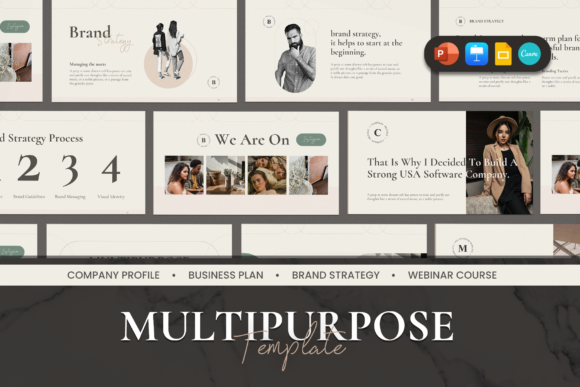
A multipurpose presentation template is designed to be versatile, catering to a wide range of industries and use cases. Unlike niche templates tailored specifically for medical conferences or architectural portfolios, a multipurpose solution offers a neutral yet contemporary aesthetic. The primary advantage lies in its adaptability. With features such as creative photo layouts, infographics, tables, and vector icons, these templates provide the building blocks necessary to elevate a company profile or project overview without starting with a blank canvas.
The recent updates to many leading templates, including version 1.1 releases, emphasize lifetime updates and enhanced compatibility. This ensures that users are not locked into an outdated design language. The inclusion of fully smooth animated slides and both light and dark versions allows presenters to adjust the visual tone to match their brand identity or the ambient lighting of the presentation venue. For professionals who need to maintain a high standard of visual communication but lack dedicated graphic design resources, this type of template offers a practical middle ground.
Cross-Platform Compatibility and Accessibility
One of the most significant considerations when selecting a digital asset is software compatibility. A robust multipurpose presentation template typically supports multiple platforms, ensuring that users can edit files regardless of their preferred ecosystem. Common formats include:
- Microsoft PowerPoint (PPTX): The industry standard for corporate environments, offering deep customization options for those familiar with the software.
- Apple Keynote (KEY): Preferred by Mac users for its smooth animation capabilities and clean interface.
- Google Slides: Ideal for collaborative teams who need to edit and present directly from a web browser without installing software.
- Canva: A popular online design tool that appeals to non-designers due to its drag-and-drop simplicity.
The claim that "no knowledge is required" is a common marketing point, but it is essential to understand what this means in practice. While basic text replacement and image swapping are intuitive, leveraging advanced features like master slides or custom animations may still require a learning curve. However, the availability of documentation and quick guide PDFs included in the package helps mitigate this barrier. The ability to choose how and where to edit the template empowers users to work within their comfort zone, whether they are technical experts or casual users.
Key Features and Design Elements
When evaluating a template, the depth of included assets is a crucial factor. A comprehensive package often includes over 100 unique creative slides, ensuring that users have enough variety to avoid repetition throughout a long deck. The use of vector shapes and icons is particularly important because vectors are resolution-independent. This means they remain crisp and clear regardless of how much they are resized, a feature that raster images cannot offer.
Other notable features often found in high-quality templates include:
- Device Mockups: These allow users to showcase apps or websites within realistic smartphone or laptop frames, adding professionalism to tech-related presentations.
- Master Slide Options: Editing the master slide enables global changes to fonts, colors, and logos, ensuring consistency across all slides with minimal effort.
- Drag-and-Drop Image Placeholders: This functionality simplifies the process of adding personal photos, as users can simply drag an image into a designated frame rather than manually resizing and cropping.
- Full HD Ratio (16:9): Standardizing on a 1920x1080px resolution ensures compatibility with modern widescreen monitors and projectors.
Benefits and Tradeoffs
The primary benefit of using a multipurpose presentation template is efficiency. For consultants, marketers, and entrepreneurs, time is a scarce resource. A template that allows for rapid deployment of professional-looking slides can free up time for refining the narrative and practicing delivery. Additionally, the consistent design language helps establish credibility, as poorly formatted slides can distract from the core message.
However, there are tradeoffs to consider. Because these templates are sold to a broad audience, there is a risk that other professionals in your industry may be using the same design. To mitigate this, it is advisable to customize the color scheme and typography to align closely with your specific brand guidelines. Furthermore, while templates provide structure, they do not replace the need for strong content. A beautifully designed slide with weak data or unclear messaging will still fail to engage the audience.
Ideal Use Cases
This type of template is a strong fit for several scenarios:
- Startup Pitch Decks: Founders need to convey vision, market size, and financial projections quickly and clearly. The infographic elements in multipurpose templates are well-suited for displaying data visually.
- Corporate Reports: Quarterly or annual reports benefit from the structured tables and chart layouts often included in these packages.
- Educational Materials: Trainers and educators can use the diverse slide layouts to break down complex topics into digestible segments.
- Portfolio Presentations: Creatives can utilize the photo layouts and device mockups to showcase their work in a contextualized manner.
When to Consider Alternatives
While multipurpose templates are versatile, they may not be the best choice for every situation. If your brand has strict and highly unique design guidelines that deviate significantly from standard layouts, a custom-designed deck may be necessary. Similarly, for highly specialized technical presentations requiring complex dynamic data visualization, dedicated business intelligence tools might be more appropriate than static slides.
Additionally, if you require complete uniqueness and have the budget, hiring a professional designer ensures that your presentation stands out distinctly from competitors. Templates are a cost-effective solution, but they are not a substitute for bespoke design when differentiation is the primary goal.
Making the Right Decision
Choosing the right presentation tool depends on your specific needs, technical skills, and timeline. If you value speed, consistency, and ease of use, a Multipurpose Presentation Template is a logical investment. Look for packages that offer lifetime updates and multi-format support to ensure long-term value. Pay attention to the quality of the master slides and the flexibility of the layout options. By understanding both the capabilities and limitations of these templates, you can make an informed decision that enhances your communication effectiveness without compromising on professional standards.
Ultimately, the goal is to create a deck that supports your narrative, not overshadows it. A well-chosen template serves as a silent partner, handling the visual heavy lifting so you can focus on delivering a compelling and impactful presentation.