Mastering Modern Web Design: A Deep Dive into the Travel Landing Page UI Kit
In the fast-paced digital landscape, first impressions are not just important; they are everything. For travel agencies, tourism boards, and adventure bloggers, the website is the virtual storefront that convinces a visitor to book a flight, reserve a hotel, or embark on a journey. This is where the concept of a Web Design UI Kit becomes invaluable. Specifically, a Web Travel and Travel Landing Page UI Kit serves as a foundational toolkit that bridges the gap between creative vision and technical execution. Designed with modern and professional aesthetics, these kits allow designers and developers to create stunning, high-converting websites without starting from scratch.
Understanding the Purpose of a UI Kit
To understand the significance of a UI (User Interface) kit, one must first recognize the challenges of modern web design. Building a website from zero involves countless decisions regarding typography, color palettes, spacing, button styles, and layout structures. For beginners, this can be overwhelming. For experienced professionals, it can be time-consuming. A UI kit solves this by providing a pre-designed library of interface elements. Think of it as a box of high-quality LEGO bricks; instead of molding the plastic yourself, you have perfectly shaped pieces ready to be assembled into a cohesive structure.
The Travel Landing Page UI Kit is tailored specifically for the tourism industry. It understands the unique needs of this sector, such as the need for large, immersive imagery, clear call-to-action buttons for bookings, and intuitive navigation for exploring destinations. By using a template designed with these specific goals in mind, creators ensure that their final product is not only visually appealing but also functionally optimized for user engagement.
Why Modern and Professional Looks Matter
The phrase "modern and professional looks" is often used in marketing, but in web design, it has tangible implications. A modern design typically features clean lines, ample white space, responsive layouts that work on mobile devices, and contemporary typography. These elements signal to the user that the business is current, trustworthy, and reliable. In the travel industry, trust is paramount. Users are often asked to share personal information and make significant financial commitments. A sloppy or outdated design can raise red flags, causing potential customers to bounce to a competitor’s site.
Furthermore, a professional aesthetic enhances brand credibility. When a travel landing page looks polished, it reflects the quality of the service being offered. Whether it is a luxury resort or a budget backpacking tour, the design sets the tone for the entire customer experience. Using a high-quality UI kit ensures that this tone is consistent across every page and element of the site.
The Power of Customization and Simplicity
One of the most common misconceptions about using templates or UI kits is that they limit creativity. On the contrary, a well-structured kit like the Web Travel UI Kit is designed for flexibility. The statement that "modifying the template is quite simple" is a key selling point, but it requires explanation. Simplicity in modification comes from how the file is organized.
When a designer opens a professional UI kit, they are not greeted with a chaotic mess of overlapping shapes and unnamed layers. Instead, they find a structured environment. This organization allows for rapid iteration. If a travel agency wants to change their primary brand color from blue to green to match their logo, they should be able to do so globally with just a few clicks. If they want to swap out a font to better match their brand voice, the process should be seamless. This ease of use empowers non-designers to make minor adjustments and allows professional designers to focus on high-level creative decisions rather than tedious pixel-pushing.
Key Features That Drive Efficiency
To truly appreciate the value of a premium UI kit, one must look at its technical specifications. The following features are standard in high-quality kits and are essential for a smooth workflow:
- Figma Compatibility: Figma has become the industry-standard tool for interface design due to its collaborative nature and cloud-based functionality. A UI kit built for Figma ensures that teams can work together in real-time, commenting and editing designs simultaneously.
- Pixel Perfect UI Elements: Precision matters. Pixel-perfect elements ensure that icons, buttons, and images align correctly on the grid. This attention to detail prevents visual clutter and ensures the site looks crisp on high-resolution screens.
- Customizable Layers, Fonts, and Colors: As mentioned, flexibility is key. Well-layered files mean that every element is grouped logically. Changing a heading style or a button radius should not break the rest of the layout.
- Well-Layered and Organized Structure: Naming conventions matter. A layer named "Hero Image" is infinitely more useful than "Rectangle 43." Good organization saves hours of troubleshooting during the design and development handoff phase.
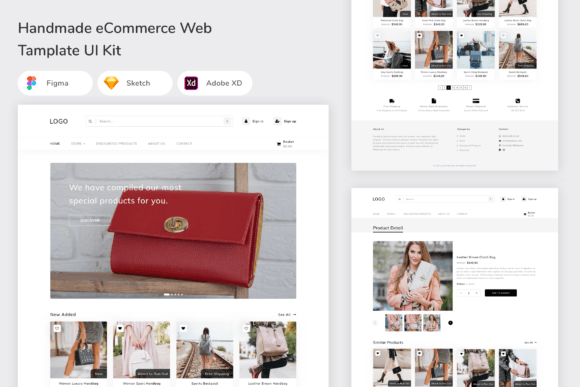
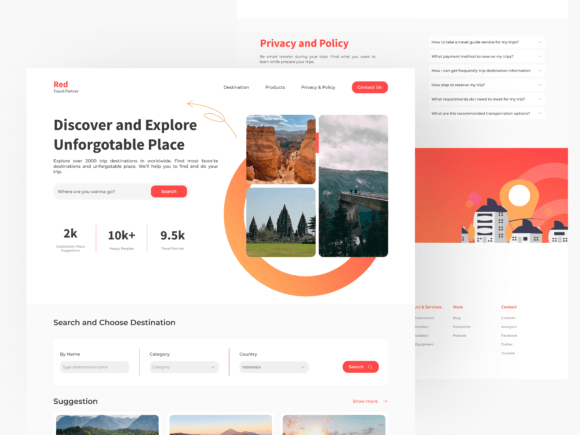
- High-Quality Screens: The kit should include full-page mockups or "screens" that show how individual components come together to form a complete landing page. This provides a visual roadmap for the final product.
- Free Fonts and Icons: Licensing can be a legal minefield. Including free, commercially usable fonts and icons removes the barrier of entry and ensures that the design can be published without additional costs or legal worries.
- 100 Customizable Vector Shapes: Vector graphics are scalable without losing quality. Having a library of customizable shapes allows designers to create unique illustrations, backgrounds, or decorative elements that fit the travel theme perfectly.
Practical Relevance in Modern Business and Creativity
How does this fit into the broader context of modern work and business? In today’s gig economy and startup culture, speed to market is a competitive advantage. A small travel startup may not have the budget to hire a full-time design team for six months to build a website from scratch. By utilizing a Travel Landing Page UI Kit, they can launch a professional-grade website in a fraction of the time. This allows them to allocate resources to other critical areas, such as marketing, customer service, or content creation.
Moreover, this technology democratizes design. It lowers the barrier for entrepreneurs, educators, and creatives who have great ideas but lack advanced technical skills. It enables them to present their concepts professionally, fostering better communication with stakeholders, investors, and customers. For students and learners, dissecting a well-made UI kit is an excellent educational tool. It teaches best practices in layout, hierarchy, and color theory by example.
Clarifying Common Misunderstandings
It is important to address the assumption that using a UI kit results in a generic-looking website. While it is true that many sites may start from similar foundations, the outcome depends entirely on how the kit is used. The customizable nature of these kits means that two designers can take the same base template and produce vastly different results. One might emphasize bold typography and minimalism, while another might focus on vibrant photography and playful illustrations. The kit provides the structure, but the creator provides the soul.
Another misunderstanding is that UI kits are only for designers. In reality, they are valuable for developers as well. A well-organized Figma file makes the handoff process smoother. Developers can inspect elements, copy CSS code, and understand the intended behavior of interactive components, reducing errors and speeding up the coding phase.
Building a Broader Understanding of Web Design Tools
Ultimately, the Web Travel and Travel Landing Page UI Kit is more than just a collection of digital assets; it is a catalyst for creativity and efficiency. It represents a shift in how digital products are created—moving away from reinventing the wheel toward assembling and refining high-quality components. This approach aligns with modern agile methodologies, where iteration and improvement are valued over perfectionism in the early stages.
For anyone looking to enter the world of web design, or for business owners seeking to enhance their online presence, understanding the utility of these tools is crucial. They offer a balance between professional quality and accessibility. By leveraging features like pixel-perfect elements, organized layers, and customizable vectors, users can create websites that are not only beautiful but also functional and user-friendly.
In conclusion, whether you are a seasoned designer looking to streamline your workflow or a beginner eager to build your first travel blog, a high-quality UI kit is an indispensable resource. It empowers you to focus on what truly matters: telling compelling stories, showcasing breathtaking destinations, and creating memorable experiences for your audience. As technology continues to evolve, tools like these will remain central to the way we build and interact with the digital world.